
Fritz Wepper
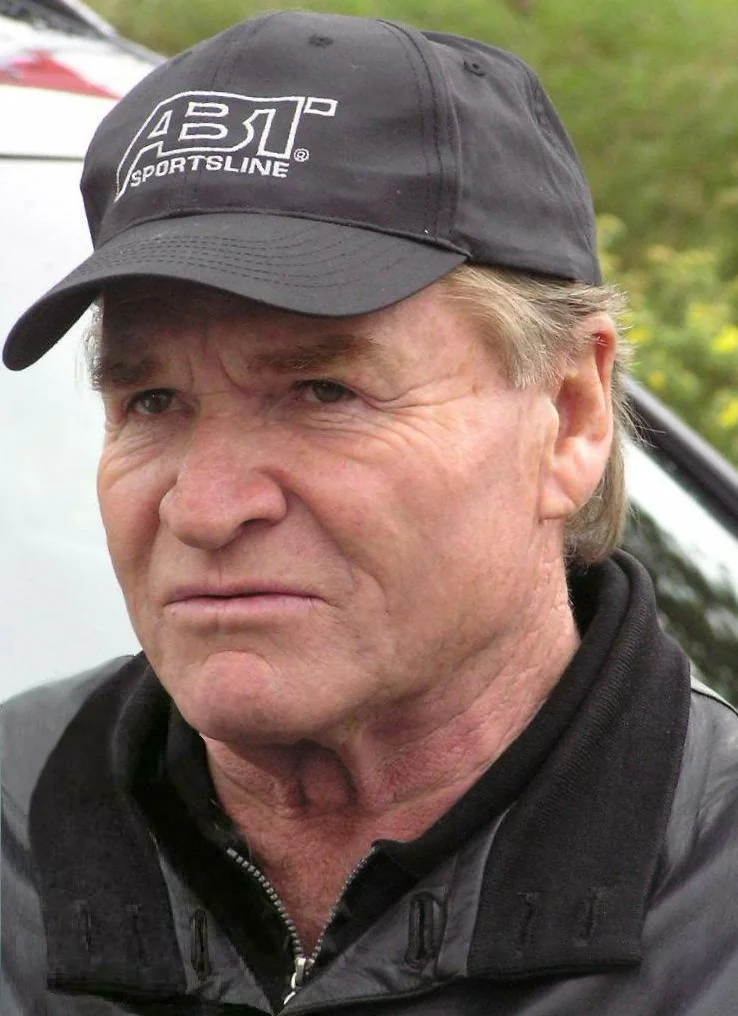
Image from Wikipedia
Image from Wikipedia
Fritz Wepper – the elegant character actor of German television
An actor who shaped entire generations of television
Fritz Wepper was one of the defining faces of German post-war cinema and television. Born on August 17, 1941, in Munich and passed away on March 25, 2024, in Upper Bavaria, he developed from a gifted child performer into a beloved public figure known for his extraordinary stage presence and significant television presence. He gained international recognition in 1959 through Bernhard Wicki's anti-war film Die Brücke; his definitive breakthrough came with the role of Harry Klein in Der Kommissar and later in Derrick. ([de.wikipedia.org](https://de.wikipedia.org/wiki/Fritz_Wepper))
Early years in Munich: Childhood, stage, and first experiences in front of the camera
Wepper grew up in Munich and was on stage from an early age. According to Munzinger, he appeared as a nine-year-old in children's programs of Bavarian Broadcasting; in 1952, he made his theatrical debut in Peter Pan at the Munich State Theatre, followed by performances at a youth theatre and early television plays. This early proximity to the performing arts profoundly influenced his artistic development and explained his later ease before the camera. ([munzinger.de](https://www.munzinger.de/register/portrait/biographien/fritz%2Bwepper/00/14168))
His Munich origins remained an important foundation for his career, also because they instilled in him an down-to-earth yet precise style of acting. Munzinger mentions he was the son of a lawyer; his father was reported missing in Russia from 1944 and did not return from World War II. Wepper grew up with his younger brother Elmar Wepper, who also became an actor, and graduated from the Wittelsbacher Gymnasium in 1959. ([munzinger.de](https://www.munzinger.de/register/portrait/biographien/fritz%2Bwepper/00/14168))
The breakthrough with Die Brücke and the first major awards
The international breakthrough came with Die Brücke, one of the most famous German anti-war films in cinematic history. Wepper portrayed young Albert Mutz, a teenager drafted into the Wehrmacht shortly before the war's end; this role established him as a serious actor with an intense presence. In 1964, he received the Filmband in Gold for Best Young Actor for his performance in Kennwort: Reiher. ([de.wikipedia.org](https://de.wikipedia.org/wiki/Fritz_Wepper))
Even in these early works, Wepper's sensitivity for roles oscillating between vulnerability and inner tension was evident. This is a central characteristic of his acting: he never played functionally; rather, he gave his characters a human, often quiet depth. It was precisely this authenticity that made him a staple in television later on. ([de.wikipedia.org](https://de.wikipedia.org/wiki/Fritz_Wepper))
Harry Klein: The role that made television history
Wepper's definitive breakthrough and immense popularity came from the character of Harry Klein. From 1969 to 1974, he played in Der Kommissar initially as a criminal chief inspector and assistant to Commissioner Keller; from 1974, he continued the role in Derrick as inspector and assistant to Chief Inspector Derrick; the crime series ran until 1998. With this continuity, Wepper became one of the most recognizable television faces in the German-speaking world. ([de.wikipedia.org](https://de.wikipedia.org/wiki/Fritz_Wepper))
The character Harry Klein operated not only as a series role but also as a pop culture fixture. The often-quoted line "Harry, bring the car around!" became a catchphrase, even though it was never actually said in the series. The fact that a TV character could create such a lasting impression in everyday language highlights the cultural influence Wepper exerted for decades. ([de.wikipedia.org](https://de.wikipedia.org/wiki/Fritz_Wepper))
From detective to character actor: Film, television, and versatility
Wepper was never limited to the role of a background investigator. In 1968, he appeared in the Edgar-Wallace film Der Mann mit dem Glasauge; in 1972, he played a prominent role in Bob Fosse's Oscar-winning film adaptation of the musical Cabaret alongside Liza Minnelli, and after Der letzte Kampf in 1983, he focused primarily on television roles instead of continuing on the big screen. This shift made him a specialist in large, audience-friendly TV narratives. ([de.wikipedia.org](https://de.wikipedia.org/wiki/Fritz_Wepper))
He became particularly successful later with Um Himmels Willen, where he played Mayor Wolfgang Wöller from January 2002 to June 2021. The series was among the most-watched formats in German television for years, giving Wepper a new profile: the charmingly obstinate power player combined comedy, calculation, and likable self-irony. He continued this trend in Mord in bester Gesellschaft, portraying a consulting psychiatrist. ([de.wikipedia.org](https://de.wikipedia.org/wiki/Fritz_Wepper))
Voice work, ensemble spirit, and the Wepper family lineage
In the 1960s and 1970s, Wepper also worked as a dubbing actor, lending his voice to Jean-Louis Trintignant and John Savage, among others. This activity underscores his clear articulation, linguistic presence, and sense of rhythm in dialogue. It is one of the often-overlooked facets of his artistic career and expands the image of a performer who worked meticulously with voice and timing. ([de.wikipedia.org](https://de.wikipedia.org/wiki/Fritz_Wepper))
The collaboration with his brother Elmar was a recurring theme in his career. The two acted together in productions such as Eine verrückte Familie, in Der Kommissar, and in the series Zwei Brüder. This family connection added an emotional dimension to the German-speaking television landscape, as it combined familiarity with professional precision. ([de.wikipedia.org](https://de.wikipedia.org/wiki/Fritz_Wepper?utm_source=openai))
Awards, recognition, and public impact
The industry honored Wepper with numerous awards over the decades. WHO’S WHO lists the Federal Film Award in 1964, several Bambi Awards, the Silver Otto, the Golden Camera, the Golden Europa, and the Karl-Valentin Order, among others. He also received accolades for his television work, especially for his role as Mayor Wöller in Um Himmels Willen. ([whoswho.de](https://whoswho.de/bio/fritz-wepper.html))
These honors demonstrate that Wepper was not only a popular actor but also a reliable figure in German television history. His roles combined entertainment value with serial recognizability without ever appearing completely schematic. This balance of familiarity and individual style explains his lasting resonance in collective memory. ([whoswho.de](https://whoswho.de/bio/fritz-wepper.html))
Later years, autobiography, and lasting legacy
In his later years, Wepper remained active, even after his film career was long behind him. Penguin Random House published his autobiography Ein ewiger Augenblick, which documents his life from an inner perspective and reveals the autobiographical self-interpretation of an artist who stood in the spotlight for decades. The publication further emphasizes that Wepper consciously understood himself as a contemporary witness to a long history of media and television. ([content.penguinrandomhouse.de](https://content.penguinrandomhouse.de/content/edition/excerpts/982019.pdf))
His legacy lies in the rare combination of an early start, consistency, and stylistic clarity. Wepper was not a loud star, but a precise actor with a fine sense for timing, tone, and dramatic development. It is in this very quality that the enduring excitement of his career lies: he embodied reliability over generations without ever seeming insignificant. ([de.wikipedia.org](https://de.wikipedia.org/wiki/Fritz_Wepper))
Conclusion: Why Fritz Wepper continues to fascinate today
Fritz Wepper remains intriguing because he not only co-wrote German television history but visibly embodied it. From the young performer in Die Brücke through Harry Klein to Wolfgang Wöller, his path traversed different eras, genres, and audience expectations without losing his artistic identity. Anyone wanting to understand German TV culture cannot overlook him. ([de.wikipedia.org](https://de.wikipedia.org/wiki/Fritz_Wepper))
His career shows how significant an actor's impact can be when precision, presence, and serial loyalty come together. Especially in live performances and memories, the power of such role portrayals unfolds impressively. Therefore, Fritz Wepper remains a name that not only reminds us of great television entertainment but also of a piece of cultural memory. ([de.wikipedia.org](https://de.wikipedia.org/wiki/Fritz_Wepper))
Official channels of Fritz Wepper:
- Instagram: No official profile found
- Facebook: No official profile found
- YouTube: No official profile found
- Spotify: No official profile found
- TikTok: No official profile found