
- Exhibitions & Museums
- Relaxed
- Inside
Erlangen 1945/46 at the City Archive: History Between End of War and Democracy
- Date and Time
- 12. November 2026, 09:00
- Location
- Erlangen91 Erlangen, Deutschland
- Price
- Free
About this Event
Erlangen between the End of War and Democratic Renewal
Two exhibitions at the City Archive of Erlangen take you into the decisive months between the peaceful handover of the city on April 16, 1945, and the first free local election on May 26, 1946. Historical documents, posters, and archives reveal how everyday life, administration, and democratic life were reorganized after the end of World War II.
Everyday Life after the End of the War
The exhibition "Yesterday Must Give Way to Today." Erlangen 1945/46 was created in collaboration with students from the Albert Schweitzer Gymnasium Erlangen. Their poster presentation focuses on specific areas of life in the post-war period: the resumption of school operations, the first Bergkirchweih, the tense housing situation, and the collaboration with the American military government.
The historical themes connect personal life realities with the overarching history of the 20th century. Textual images, visual materials, and archival evidence provide a concentrated examination of works and show how social renewal became tangible in everyday life.
The First Free Local Election after NS Rule
At the center of the second exhibition is the local election in Erlangen on May 26, 1946. It was the first democratic election after 13 years of dictatorship and took place under difficult conditions. Movements in and out, evacuations, denazification measures, and unclear population situations shaped the starting point.
The archival exhibition presents the local election as a political magnifying glass. It makes clear that democratic participation requires institutional prerequisites, social responsibility, and a conscious approach to history. Thus, the curation connects local memory culture with historical democratic education.
Aesthetic Experience in the Archive Room
A special exhibition atmosphere develops in the reading room of the City Archive. The aesthetic experience here is based not on painting or sculpture but on the materiality of historical sources: posters, documents, administrative materials, and visual memories lead directly into a city between end and beginning.
The artistic experience of historical documentation invites questions of responsibility, belonging, and political reorganization. At the same time, the exhibition conveys cultural education from a local perspective and makes urban history a vivid, comprehensible process.
Conclusion: Experience History in Erlangen Directly
The two exhibitions connect historical research, school exhibition work, and local memory culture. Visitors experience how closely everyday life, political order, and democratic development are intertwined. Those who wish to understand Erlangen's post-war history and reflect on the prerequisites of democratic societies should not miss this compelling presentation at the City Archive.
Official Channels of the City Archive Erlangen:
- Instagram: no official profile found
- Facebook: no official profile found
- YouTube: no official profile found
- Website: https://erlangen.de/aktuelles/2-ausstellungen-kriegsende-1945-in-erlangen-und-nun-
Sources:
Frequently Asked Questions
Ähnliche Veranstaltungen
19. Sep. 2026 15:0019. September 2026 15:00
In Motion - The Collection of the Art Museum
Ausstellungen
 Kostenlos
22. Sep. 2026 15:0022. September 2026 15:00
in motion - The Collection of the Art Museum
Ausstellungen
 5,00 €
9. Okt. 2026 15:009. Oktober 2026 15:00
in Motion - The Collection of the Art Museum
Ausstellungen
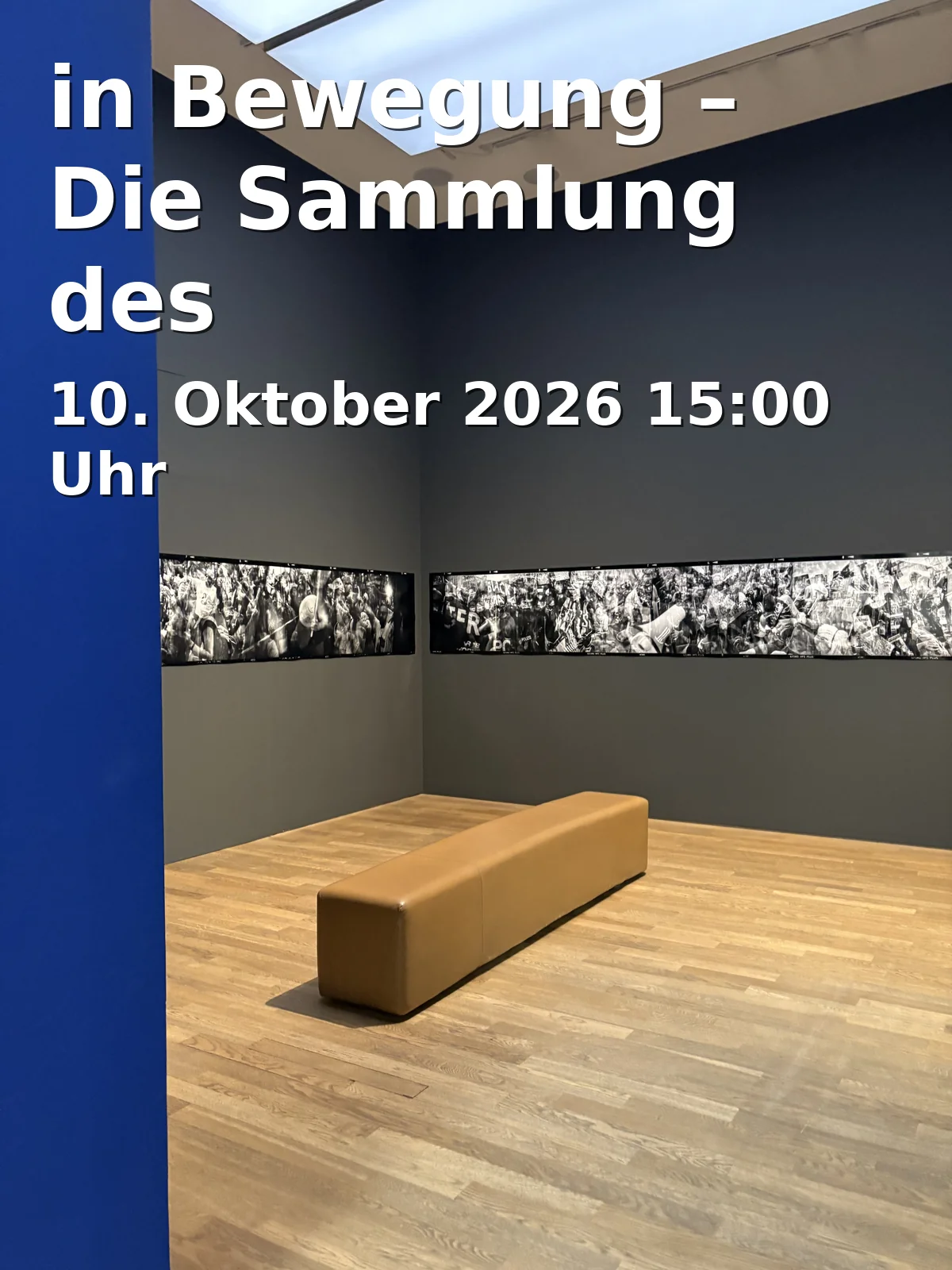
10. Okt. 2026 15:0010. Oktober 2026 15:00
in Motion – The Collection of the Art Museum
Ausstellungen
 Kostenlos
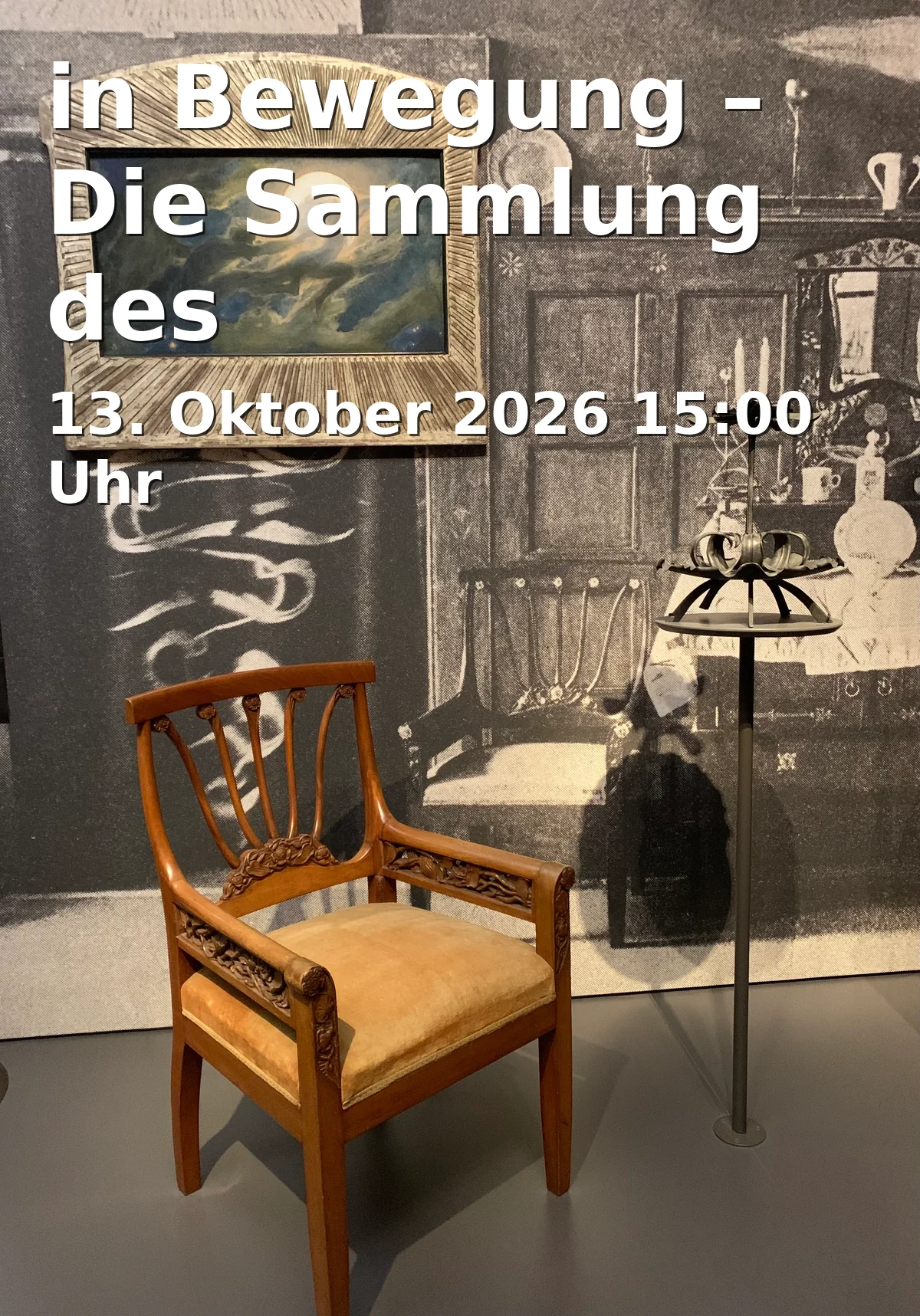
13. Okt. 2026 15:0013. Oktober 2026 15:00
In Motion - The Collection of the Art Museum
Ausstellungen
 Kostenlos
17. Okt. 2026 10:0017. Oktober 2026 10:00
100 Years of Master Rights in Home Economics: We Master the Future
Ausstellungen
 5,00 €
23. Okt. 2026 15:0023. Oktober 2026 15:00
in Motion – The Collection of the Art Museum
Ausstellungen
 Kostenlos
25. Okt. 2026 11:0025. Oktober 2026 11:00
Exhibition: NEWLY SEEN – Adolf Schinnerer
Ausstellungen
 Kostenlos
25. Okt. 2026 11:0025. Oktober 2026 11:00
Vernissage: NEWLY SEEN – Adolf Schinnerer
Ausstellungen
28. Okt. 2026 09:0028. Oktober 2026 09:00
Exhibition: NEWLY SEEN – Adolf Schinnerer
Ausstellungen