- Exhibitions & Museums
- Other
- Inside
Erlangen 1945/46 at the City Archive: History Between the End of War and Democracy
- Date and Time
- 24. November 2026, 16:00
- Location
- Erlangen91 Erlangen, Deutschland
- Price
- Free
About this Event
Erlangen 1945/46: Between the End of War and Democratic New Beginning
How does a city change when a war ends and democratic life must be newly established? Two exhibitions at the Erlangen City Archive focus on the crucial months between the peaceful surrender of the city on April 16, 1945, and the first free municipal election on May 26, 1946.
Everyday Life after the End of World War II
"Yesterday Must Give Way to Today. Erlangen 1945/46" was created in collaboration with students from the Albert Schweitzer Gymnasium Erlangen. The poster exhibition looks at specific everyday experiences: the resumption of school operations, the first Bergkirchweih after the war, the strained housing situation, and cooperation with the American military government.
Historical documents, images, and posters connect personal reality with the larger history of the 20th century. The exhibition makes visible how administration, supply, and public life were reorganized after the end of Nazi rule and what challenges arose from refugees, displaced persons, and abducted people.
The First Free Municipal Election After the Dictatorship
The second presentation, "Erlangen Between End and Beginning. The Municipal Election in Erlangen on May 26, 1946," is dedicated to the first democratic local election after 13 years of dictatorship. Inflows and departures, relocations, denazification measures, and unclear resident statuses shaped the context.
The municipal election appears as a political magnifying glass: It shows that democratic order does not emerge automatically but requires societal participation, institutional reorganization, and responsible political decisions. The archival presentation thus offers a direct access to local democracy history.
Historical Sources as Aesthetic Experience
A concentrated exhibition atmosphere unfolds in the reading room of the city archive. Written images, posters, archival materials, and historical testimonies vividly depict the transition years of 1945 and 1946. The focus here is not on painting or sculpture but on the materiality and expressiveness of documentary sources.
The curation connects historical research, school exhibition work, and cultural education. Thus, a unique artistic experience is created: The aesthetic experience lies in the proximity to the preserved documents and in the question of how a city reorients itself after war, dictatorship, and political collapse.
Conclusion: Experience City History Directly
The two exhibitions make Erlangen's post-war years tangible as a time between end, scarcity, reorganization, and democratic awakening. Anyone interested in local history, memory culture, political education, and the prerequisites for democratic societies will discover a compelling historical presentation at the city archive. A visit is worthwhile to not only read local history but to experience it live through original sources and vivid exhibition design.
Official Channels of the City Archive Erlangen:
- Instagram: no official profile found
- Facebook: no official profile found
- YouTube: no official profile found
- Website: https://erlangen.de/aktuelles/2-ausstellungen-kriegsende-1945-in-erlangen-und-nun-
Sources:
Frequently Asked Questions
Ähnliche Veranstaltungen
 Kostenlos
12. Okt. 202612. Oktober 2026
„Yesterday Must Give Way to Today. Erlangen 1945/46“ and „Erlangen between End and Beginning“
Ausstellungen
13. Nov. 2026 18:0013. November 2026 18:00
HIRNCOMIC – What's happening in the brain
Ausstellungen
 Kostenlos
22. Nov. 2026 11:0022. November 2026 11:00
Domestic Violence BECOME Free (Midissage)
Ausstellungen

22. Nov. 2026 19:0022. November 2026 19:00
Giving Life Together – Your first donation is their second chance
Sonstige Veranstaltungen
- Kostenlos
23. Nov. 2026 09:0023. November 2026 09:00
"Yesterday Must Give Way to Today. Erlangen 1945/46" and "Erlangen Between End and Beginning"
Ausstellungen
NaN. Invalid Date NaNNaN. Invalid Date NaN
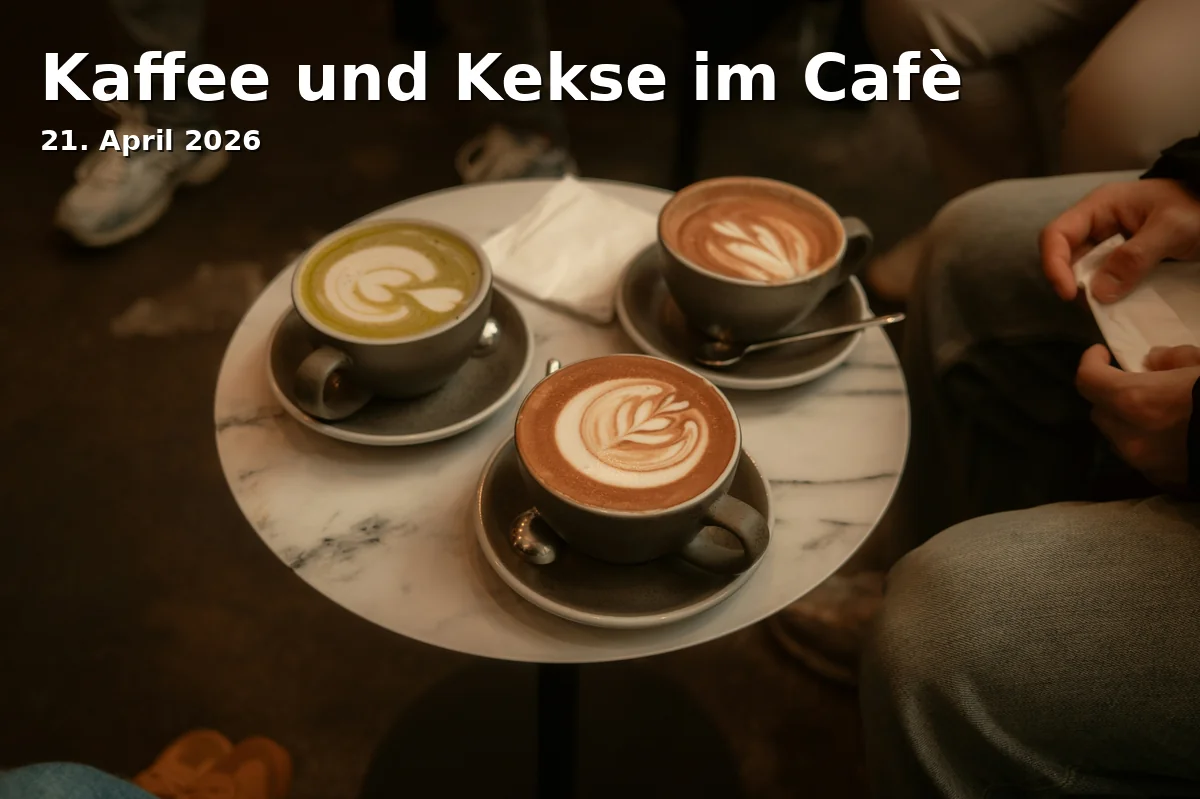
Coffee and Cookies in the Café
Senioren
NaN. Invalid Date NaNNaN. Invalid Date NaN
Second Level
Ausstellungen
NaN. Invalid Date NaNNaN. Invalid Date NaN
Give-and-Take Cabinet
Märkte
NaN. Invalid Date NaNNaN. Invalid Date NaN
AWO Senior Meeting
Senioren
NaN. Invalid Date NaNNaN. Invalid Date NaN
Nordic Walking for Seniors
Senioren