
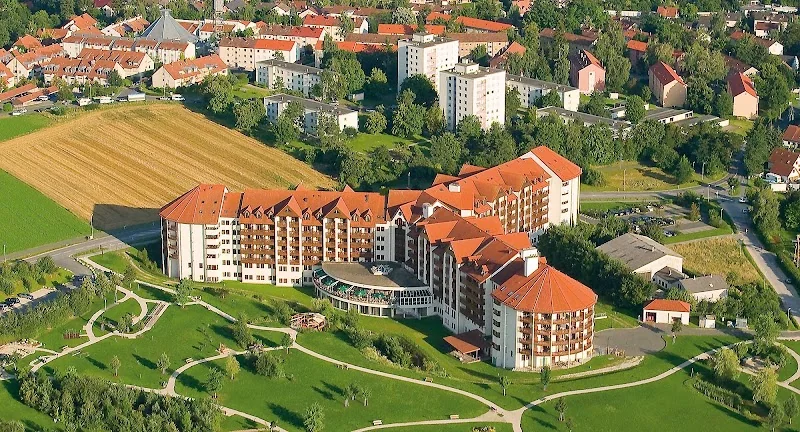
Herzogenaurach
In d. Reuth 1, 91074 Herzogenaurach, Deutschland
m&i-Fachklinik Herzogenaurach | Rehab & Directions
The m&i-Fachklinik Herzogenaurach combines specialized acute medicine with medical rehabilitation and has been established in Herzogenaurach since 1996. As a clinic in the Nuremberg metropolitan region, it focuses on interdisciplinary treatment, personal care, and short distances between medicine, therapy, and nursing. With 441 beds and 450 employees, it is one of the major health facilities in the region, treating 5,500 inpatients each year. The focus is not on loud promises, but on a clear medical structure: neurological early rehabilitation, orthopedic treatment, geriatric rehabilitation, and additional specialized offerings for complex medical conditions. Those looking for a specialized clinic that sensibly combines acute care and rehabilitation will find a well-equipped facility here with clear focal points, scientific proximity to the region, and a patient-centered approach. ([fachklinik-herzogenaurach.de](https://www.fachklinik-herzogenaurach.de/job/mitarbeiter-m-w-d-der-m-i-fachklinik-herzogenaurach-initiativbewerbung))
Directions, Parking, and Accessibility at the Western Edge of Town
For many users, the search for a clinic does not begin with therapy, but with the question of accessibility. That is why the location of the m&i-Fachklinik Herzogenaurach plays an important role. The address In der Reuth 1, 91074 Herzogenaurach, is located at the western edge of the medieval town and directly on the bypass road towards Neustadt an der Aisch. The nearby highways A3, A73, A9, and A6 provide good connections, making it easier to reach from the areas of Nuremberg, Erlangen, Fürth, or the surrounding region. For people traveling by car, this is an important argument, as the route to the clinic is clearly described and does not require complicated navigation through the city center. Parking is also regulated: patients and accompanying persons can park their vehicles in the available parking spaces for a fee during their stay. This may sound mundane, but it is often crucial in the daily clinic routine because planned routes and reliable parking options reduce stress. ([fachklinik-herzogenaurach.de](https://www.fachklinik-herzogenaurach.de/kontakt))
Those arriving by train also benefit from a practical solution. The nearest train station is in Erlangen, about 12 kilometers away. From the Erlangen bus station, the regional bus 201 runs every 30 to 45 minutes directly to the clinic's own stop; the travel time is about 35 minutes. This makes the clinic easily accessible not only for locals but also for patients traveling from further away for rehabilitation or acute care. Especially for longer stays, planned rehabilitation measures, or visits from relatives, this is an important quality feature. The official contact page also emphasizes that the specialized clinic is well accessible on the edge of the Nuremberg-Erlangen-Höchstadt metropolitan area. This combination of being on the outskirts, car access, and bus connections makes the clinic highly relevant for many users searching for terms like directions, parking, or route planning. For a medical facility, this is not only convenient but a relevant part of the overall care experience. ([fachklinik-herzogenaurach.de](https://www.fachklinik-herzogenaurach.de/kontakt))
Moreover, the location aligns well with the clinic's profile. A specialized clinic for acute medicine and rehabilitation needs reliable access for patients with varying degrees of mobility. When relatives bring someone for neurological early rehabilitation or orthopedic treatment, not only medical quality matters, but also whether the start of the stay can be as straightforward as possible. Therefore, the m&i-Fachklinik Herzogenaurach consciously describes its location as easily accessible and practical, rather than as a representative city center address. This is often the better approach in the rehabilitation and acute care sector: fewer detours, clear orientation, and a location where patients and visitors can arrive relatively directly. For search queries related to maps, route planning, and parking, this information is particularly valuable as it provides concrete decision-making assistance. ([fachklinik-herzogenaurach.de](https://www.fachklinik-herzogenaurach.de/kontakt))
Specialized Acute Medicine from Phase B to Acute Orthopedics
A central reason why the m&i-Fachklinik Herzogenaurach stands out is its range of services in specialized acute medicine. The homepage mentions three acute focuses: Neurological Early Rehabilitation Phase B, Acute Orthopedics of the Spine, and Accident Surgery-Orthopedic Early Rehabilitation. This allows the clinic to cover exactly those areas where early, structured, and interdisciplinary treatment is particularly important. Neurological Early Rehabilitation Phase B is aimed at patients who are still in a particularly intensive treatment phase and require close medical and therapeutic support. The clinic describes this area as a specialty for Phase B patients. At the same time, there are special treatment places for accident surgery-orthopedic early rehabilitation, for people who need a graduated transition from acute care to further rehabilitation after severe injuries or surgeries. ([fachklinik-herzogenaurach.de](https://www.fachklinik-herzogenaurach.de/))
Particularly relevant is the conservative approach in orthopedics and accident surgery. The department treats patients exclusively with conservative treatment options, meaning that surgeries are not the focus. At the same time, rehabilitation of patients after surgeries on the locomotor system is part of the specialty of the department. This makes it clear that the clinic plays an important role for both acute back pain and further treatment after orthopedic procedures. The clinic text even describes Acute Orthopedics of the Spine as a gentle alternative for acute and chronic specific back pain, which has often proven to be an alternative to major surgeries on the musculoskeletal system. This is crucial for those affected, as not every complaint needs immediate surgical intervention, and professionally guided conservative therapy is often the better path. The combination of early rehabilitation, orthopedics, and a clear conservative profile makes the clinic particularly relevant for search queries related to acute medicine, spine, and rehabilitation. ([fachklinik-herzogenaurach.de](https://www.fachklinik-herzogenaurach.de/fachbereiche/orthopaedie-unfallchirurgie))
Another important component is the care of BG patients and the BGSW concept. The clinic has developed a special concept for the care of patients after work or traffic accidents as well as for occupational diseases. In this context, it refers to personnel, medical-technical, and therapeutic options for further treatment according to the specifications of the acute clinic or the attending physician. The BGSW guidelines are not just a buzzword but a practical treatment system for people who still have functional limitations, speech disorders, brain performance disorders, or motor deficits after severe accidents. The specialized clinic mentions, among other things, a spatial setup with 26 beds for the intermediate care unit, as well as interdisciplinary visits and short decision-making paths. Additionally, the annual report shows that the neurology department of the clinic comprises a total of 180 beds, distributed across phases B, C, and D. In total, this results in an acute profile that is not only medically strong but also organizationally geared towards complex cases. ([fachklinik-herzogenaurach.de](https://www.fachklinik-herzogenaurach.de/fachbereiche/spezialisierung?utm_source=openai))
Rehabilitation in Neurology, Orthopedics, and Geriatrics
In the rehabilitation sector, the m&i-Fachklinik Herzogenaurach is clearly structured. The clinic treats patients in the specialized departments of neurology/neuropsychology, orthopedics/accident surgery, and geriatrics. This tripartite division is particularly important for the region as it covers different medical life situations: from neurological diseases to orthopedic limitations to age-related medical issues. In neurology/neuropsychology, the focus is on early rehabilitation of severely ill patients in Phase B, further rehabilitation in Phase C, and follow-up treatment in Phase D. Additionally, medically vocational rehabilitation measures are offered. This structure shows that the clinic does not only focus on the immediate hospital stay but on the entire path back to everyday life, family, work, and social life. This holistic approach is crucial, especially in cases of stroke, traumatic brain injury, spinal cord injuries, inflammatory diseases of the nervous system, neurodegenerative diseases, or neuromuscular diseases. ([fachklinik-herzogenaurach.de](https://www.fachklinik-herzogenaurach.de/fachbereiche/neurologie-reha))
The neurology department clearly states its goal: to alleviate the consequences of neurological diseases as early as possible and to enable participation in family, professional, and social life again. If permanent limitations remain, those affected are supported in coping well with their remaining abilities in everyday life. Relatives can be involved in the therapies, which is often an important stability factor in the rehabilitation routine. Particularly noteworthy is the Neuromuscular Center Bavaria Central, which treats patients with neuromuscular diseases closely and individually. Conditions mentioned include Myasthenia Gravis, ALS, and muscular dystrophies. The annual report states that there are 14 doctors working in neurology at the clinic, five of whom specialize in muscular diseases, supported by 40 therapists. This transforms a medical focus into a real care structure that not only treats rare and complex medical conditions but also accompanies them. For those searching for neurological rehabilitation or neuromuscular expertise, this is a central argument. ([fachklinik-herzogenaurach.de](https://www.fachklinik-herzogenaurach.de/fachbereiche/neurologie-reha))
The orthopedics/accident surgery and geriatrics departments also clearly reflect the rehabilitation profile. In orthopedics, the team treats conservatively and supports rehabilitation after surgeries on the locomotor system. This makes the department relevant for people with back pain, joint problems, or postoperative limitations. Geriatrics, on the other hand, pursues a different but equally important goal: improving quality of life, avoiding or reducing the need for care, and achieving or maintaining maximum independence. In this context, the clinic emphasizes the close collaboration of the specialized departments and a dignified and respectful interaction with patients and relatives. This is not just a formulation but an indication of how interdisciplinary rehabilitation works in practice: medically differentiated, therapeutically coordinated, and always with a view of the person as a whole. Thus, the m&i-Fachklinik Herzogenaurach covers a wide spectrum in rehabilitation that fits many different age and diagnosis situations. ([fachklinik-herzogenaurach.de](https://www.fachklinik-herzogenaurach.de/fachbereiche/orthopaedie-unfallchirurgie))
Therapy Offers, Interdisciplinary Teams, and Continuing Education
The quality of a rehabilitation and acute clinic is reflected not only in specialized departments but also in the daily interplay of professional groups. This is where the m&i-Fachklinik Herzogenaurach places a strong emphasis. According to its own representation, the therapeutic offering is extensive and is supported by physiotherapists, occupational therapists, sports therapists, speech therapists, psychologists, masseurs, nutrition consultants, and other experts. This diversity is important because complex medical conditions are rarely addressed with just one form of therapy. A neurological patient may need speech therapy, physiotherapy, and occupational therapy simultaneously, while other focuses are prioritized in orthopedics. The clinic explicitly describes this interdisciplinarity as the foundation for diverse deployment options for employees. This indicates that treatment is not understood as a single measure here but as a coordinated process between several disciplines. ([fachklinik-herzogenaurach.de](https://www.fachklinik-herzogenaurach.de/inhalt/therapie))
Additionally, the high value placed on further education and training is noteworthy. The clinic emphasizes that professional and personal development is a key component of its corporate philosophy. Employees can further their education through internal and external seminars, such as in Bobath basic and advanced courses, Nordic walking training, or back school teacher qualifications. Cross-disciplinary topics such as communication, time and self-management, or dealing with patients are also mentioned. This is interesting from an SEO perspective, as it positions the clinic not only as a treatment location but also as a professional employer and competence center. At the same time, patients benefit from a team that is systematically trained and integrates modern therapeutic approaches into everyday practice. This self-understanding is even clearer on the career page: it mentions team spirit, structured onboarding, continuing education, family friendliness, and corporate health management. In sum, this creates the image of a clinic that not only employs its staff but also develops them purposefully. ([fachklinik-herzogenaurach.de](https://www.fachklinik-herzogenaurach.de/inhalt/therapie))
The scientific and professional networking is also particularly strong. The clinic collaborates broadly with the Medical Faculty of the University of Erlangen-Nuremberg and promotes patient care, research, as well as training and continuing education. Additionally, there is a close scientific cooperation with the Institute of Sports Sciences and Sports at FAU Erlangen-Nuremberg. For a specialized clinic, this is an important quality sign, as treatment processes, therapy concepts, and continuing education do not take place in isolation but are embedded in a larger academic and regional context. This is complemented by the QReha certificate, which is available for download on the website and underscores the systematic quality orientation. Those searching for rehabilitation quality, interdisciplinary therapy, and scientific connections will find here more than just a pure performance overview: the clinic positions itself as a connected provider with professional depth. ([fachklinik-herzogenaurach.de](https://www.fachklinik-herzogenaurach.de/ueber-uns))
Quality, Collaborations, and Development Since 1996
The history of the m&i-Fachklinik Herzogenaurach began in 1996, and since then, the facility has developed consistently. The clinic describes itself as a modern clinic for specialized acute medicine and medical rehabilitation, which has established itself as an indispensable component in the healthcare provision of Middle Franconia. This is not just a self-portrayal but is supported by several concrete figures: 441 beds, 450 employees, 5,500 inpatients per year, and seven sister clinics. Such figures demonstrate reach, organizational strength, and experience. At the same time, they clarify that the clinic does not operate as a small specialized facility but as a significant location within a larger network. For those searching for a reliable specialized clinic, this combination of specialization and structure is relevant. ([fachklinik-herzogenaurach.de](https://www.fachklinik-herzogenaurach.de/job/mitarbeiter-m-w-d-der-m-i-fachklinik-herzogenaurach-initiativbewerbung))
The quality orientation is also evident in internal governance. The website explains that actions are based on current scientific, medical, therapeutic, and nursing standards, and that workflows and treatment outcomes are regularly reviewed. The clinic is integrated into the cross-clinic quality management system and participates in the quality assurance programs of the payers. This speaks to an organization that understands quality not as a marketing term but as a permanent process. For patients, this is important because it builds trust and allows for a transparent classification of treatment processes. The publication of structured quality reports is also part of this attitude. In conjunction with the QReha certificate, a clear picture emerges: the clinic operates within a controlled, traceable framework and adheres to documented standards. ([fachklinik-herzogenaurach.de](https://www.fachklinik-herzogenaurach.de/ueber-uns))
Another quality feature is the specialization within neurology. The Neuromuscular Center Bavaria Central has again received the quality seal from the German Society for Muscle Patients, indicating special expertise, diagnostic capabilities, and a specialized therapeutic team. The clinic also mentions close collaboration with other facilities as well as the ability to confirm diagnoses, design individual therapies, and closely accompany the course of treatment. This is a decisive advantage, especially for rare or chronic neuromuscular diseases. Together with the clear focus on acute medicine, rehabilitation, conservative orthopedics, geriatrics, and scientific collaborations, a location profile emerges that extends beyond the local context. Those searching for a clinic in Herzogenaurach that is not only available but also professionally well-established will find a convincing overall picture here. ([fachklinik-herzogenaurach.de](https://www.fachklinik-herzogenaurach.de/content/files/artikel/die-klinik/ke_mag_jb24_a4_2025-04_web.pdf))
Sources:
- m&i-Fachklinik Herzogenaurach - Official Website
- m&i-Fachklinik Herzogenaurach - Contact and Directions
- m&i-Fachklinik Herzogenaurach - About Us
- m&i-Fachklinik Herzogenaurach - Neurology/Neuropsychology
- m&i-Fachklinik Herzogenaurach - Orthopedics/Accident Surgery
- m&i-Fachklinik Herzogenaurach - Geriatrics
- m&i-Fachklinik Herzogenaurach - Therapy
- m&i-Fachklinik Herzogenaurach - Career and Key Figures
- m&i-Klinikgruppe Enzensberg - Annual Report 2024
Mehr anzeigenWeniger anzeigen
m&i-Fachklinik Herzogenaurach | Rehab & Directions
The m&i-Fachklinik Herzogenaurach combines specialized acute medicine with medical rehabilitation and has been established in Herzogenaurach since 1996. As a clinic in the Nuremberg metropolitan region, it focuses on interdisciplinary treatment, personal care, and short distances between medicine, therapy, and nursing. With 441 beds and 450 employees, it is one of the major health facilities in the region, treating 5,500 inpatients each year. The focus is not on loud promises, but on a clear medical structure: neurological early rehabilitation, orthopedic treatment, geriatric rehabilitation, and additional specialized offerings for complex medical conditions. Those looking for a specialized clinic that sensibly combines acute care and rehabilitation will find a well-equipped facility here with clear focal points, scientific proximity to the region, and a patient-centered approach. ([fachklinik-herzogenaurach.de](https://www.fachklinik-herzogenaurach.de/job/mitarbeiter-m-w-d-der-m-i-fachklinik-herzogenaurach-initiativbewerbung))
Directions, Parking, and Accessibility at the Western Edge of Town
For many users, the search for a clinic does not begin with therapy, but with the question of accessibility. That is why the location of the m&i-Fachklinik Herzogenaurach plays an important role. The address In der Reuth 1, 91074 Herzogenaurach, is located at the western edge of the medieval town and directly on the bypass road towards Neustadt an der Aisch. The nearby highways A3, A73, A9, and A6 provide good connections, making it easier to reach from the areas of Nuremberg, Erlangen, Fürth, or the surrounding region. For people traveling by car, this is an important argument, as the route to the clinic is clearly described and does not require complicated navigation through the city center. Parking is also regulated: patients and accompanying persons can park their vehicles in the available parking spaces for a fee during their stay. This may sound mundane, but it is often crucial in the daily clinic routine because planned routes and reliable parking options reduce stress. ([fachklinik-herzogenaurach.de](https://www.fachklinik-herzogenaurach.de/kontakt))
Those arriving by train also benefit from a practical solution. The nearest train station is in Erlangen, about 12 kilometers away. From the Erlangen bus station, the regional bus 201 runs every 30 to 45 minutes directly to the clinic's own stop; the travel time is about 35 minutes. This makes the clinic easily accessible not only for locals but also for patients traveling from further away for rehabilitation or acute care. Especially for longer stays, planned rehabilitation measures, or visits from relatives, this is an important quality feature. The official contact page also emphasizes that the specialized clinic is well accessible on the edge of the Nuremberg-Erlangen-Höchstadt metropolitan area. This combination of being on the outskirts, car access, and bus connections makes the clinic highly relevant for many users searching for terms like directions, parking, or route planning. For a medical facility, this is not only convenient but a relevant part of the overall care experience. ([fachklinik-herzogenaurach.de](https://www.fachklinik-herzogenaurach.de/kontakt))
Moreover, the location aligns well with the clinic's profile. A specialized clinic for acute medicine and rehabilitation needs reliable access for patients with varying degrees of mobility. When relatives bring someone for neurological early rehabilitation or orthopedic treatment, not only medical quality matters, but also whether the start of the stay can be as straightforward as possible. Therefore, the m&i-Fachklinik Herzogenaurach consciously describes its location as easily accessible and practical, rather than as a representative city center address. This is often the better approach in the rehabilitation and acute care sector: fewer detours, clear orientation, and a location where patients and visitors can arrive relatively directly. For search queries related to maps, route planning, and parking, this information is particularly valuable as it provides concrete decision-making assistance. ([fachklinik-herzogenaurach.de](https://www.fachklinik-herzogenaurach.de/kontakt))
Specialized Acute Medicine from Phase B to Acute Orthopedics
A central reason why the m&i-Fachklinik Herzogenaurach stands out is its range of services in specialized acute medicine. The homepage mentions three acute focuses: Neurological Early Rehabilitation Phase B, Acute Orthopedics of the Spine, and Accident Surgery-Orthopedic Early Rehabilitation. This allows the clinic to cover exactly those areas where early, structured, and interdisciplinary treatment is particularly important. Neurological Early Rehabilitation Phase B is aimed at patients who are still in a particularly intensive treatment phase and require close medical and therapeutic support. The clinic describes this area as a specialty for Phase B patients. At the same time, there are special treatment places for accident surgery-orthopedic early rehabilitation, for people who need a graduated transition from acute care to further rehabilitation after severe injuries or surgeries. ([fachklinik-herzogenaurach.de](https://www.fachklinik-herzogenaurach.de/))
Particularly relevant is the conservative approach in orthopedics and accident surgery. The department treats patients exclusively with conservative treatment options, meaning that surgeries are not the focus. At the same time, rehabilitation of patients after surgeries on the locomotor system is part of the specialty of the department. This makes it clear that the clinic plays an important role for both acute back pain and further treatment after orthopedic procedures. The clinic text even describes Acute Orthopedics of the Spine as a gentle alternative for acute and chronic specific back pain, which has often proven to be an alternative to major surgeries on the musculoskeletal system. This is crucial for those affected, as not every complaint needs immediate surgical intervention, and professionally guided conservative therapy is often the better path. The combination of early rehabilitation, orthopedics, and a clear conservative profile makes the clinic particularly relevant for search queries related to acute medicine, spine, and rehabilitation. ([fachklinik-herzogenaurach.de](https://www.fachklinik-herzogenaurach.de/fachbereiche/orthopaedie-unfallchirurgie))
Another important component is the care of BG patients and the BGSW concept. The clinic has developed a special concept for the care of patients after work or traffic accidents as well as for occupational diseases. In this context, it refers to personnel, medical-technical, and therapeutic options for further treatment according to the specifications of the acute clinic or the attending physician. The BGSW guidelines are not just a buzzword but a practical treatment system for people who still have functional limitations, speech disorders, brain performance disorders, or motor deficits after severe accidents. The specialized clinic mentions, among other things, a spatial setup with 26 beds for the intermediate care unit, as well as interdisciplinary visits and short decision-making paths. Additionally, the annual report shows that the neurology department of the clinic comprises a total of 180 beds, distributed across phases B, C, and D. In total, this results in an acute profile that is not only medically strong but also organizationally geared towards complex cases. ([fachklinik-herzogenaurach.de](https://www.fachklinik-herzogenaurach.de/fachbereiche/spezialisierung?utm_source=openai))
Rehabilitation in Neurology, Orthopedics, and Geriatrics
In the rehabilitation sector, the m&i-Fachklinik Herzogenaurach is clearly structured. The clinic treats patients in the specialized departments of neurology/neuropsychology, orthopedics/accident surgery, and geriatrics. This tripartite division is particularly important for the region as it covers different medical life situations: from neurological diseases to orthopedic limitations to age-related medical issues. In neurology/neuropsychology, the focus is on early rehabilitation of severely ill patients in Phase B, further rehabilitation in Phase C, and follow-up treatment in Phase D. Additionally, medically vocational rehabilitation measures are offered. This structure shows that the clinic does not only focus on the immediate hospital stay but on the entire path back to everyday life, family, work, and social life. This holistic approach is crucial, especially in cases of stroke, traumatic brain injury, spinal cord injuries, inflammatory diseases of the nervous system, neurodegenerative diseases, or neuromuscular diseases. ([fachklinik-herzogenaurach.de](https://www.fachklinik-herzogenaurach.de/fachbereiche/neurologie-reha))
The neurology department clearly states its goal: to alleviate the consequences of neurological diseases as early as possible and to enable participation in family, professional, and social life again. If permanent limitations remain, those affected are supported in coping well with their remaining abilities in everyday life. Relatives can be involved in the therapies, which is often an important stability factor in the rehabilitation routine. Particularly noteworthy is the Neuromuscular Center Bavaria Central, which treats patients with neuromuscular diseases closely and individually. Conditions mentioned include Myasthenia Gravis, ALS, and muscular dystrophies. The annual report states that there are 14 doctors working in neurology at the clinic, five of whom specialize in muscular diseases, supported by 40 therapists. This transforms a medical focus into a real care structure that not only treats rare and complex medical conditions but also accompanies them. For those searching for neurological rehabilitation or neuromuscular expertise, this is a central argument. ([fachklinik-herzogenaurach.de](https://www.fachklinik-herzogenaurach.de/fachbereiche/neurologie-reha))
The orthopedics/accident surgery and geriatrics departments also clearly reflect the rehabilitation profile. In orthopedics, the team treats conservatively and supports rehabilitation after surgeries on the locomotor system. This makes the department relevant for people with back pain, joint problems, or postoperative limitations. Geriatrics, on the other hand, pursues a different but equally important goal: improving quality of life, avoiding or reducing the need for care, and achieving or maintaining maximum independence. In this context, the clinic emphasizes the close collaboration of the specialized departments and a dignified and respectful interaction with patients and relatives. This is not just a formulation but an indication of how interdisciplinary rehabilitation works in practice: medically differentiated, therapeutically coordinated, and always with a view of the person as a whole. Thus, the m&i-Fachklinik Herzogenaurach covers a wide spectrum in rehabilitation that fits many different age and diagnosis situations. ([fachklinik-herzogenaurach.de](https://www.fachklinik-herzogenaurach.de/fachbereiche/orthopaedie-unfallchirurgie))
Therapy Offers, Interdisciplinary Teams, and Continuing Education
The quality of a rehabilitation and acute clinic is reflected not only in specialized departments but also in the daily interplay of professional groups. This is where the m&i-Fachklinik Herzogenaurach places a strong emphasis. According to its own representation, the therapeutic offering is extensive and is supported by physiotherapists, occupational therapists, sports therapists, speech therapists, psychologists, masseurs, nutrition consultants, and other experts. This diversity is important because complex medical conditions are rarely addressed with just one form of therapy. A neurological patient may need speech therapy, physiotherapy, and occupational therapy simultaneously, while other focuses are prioritized in orthopedics. The clinic explicitly describes this interdisciplinarity as the foundation for diverse deployment options for employees. This indicates that treatment is not understood as a single measure here but as a coordinated process between several disciplines. ([fachklinik-herzogenaurach.de](https://www.fachklinik-herzogenaurach.de/inhalt/therapie))
Additionally, the high value placed on further education and training is noteworthy. The clinic emphasizes that professional and personal development is a key component of its corporate philosophy. Employees can further their education through internal and external seminars, such as in Bobath basic and advanced courses, Nordic walking training, or back school teacher qualifications. Cross-disciplinary topics such as communication, time and self-management, or dealing with patients are also mentioned. This is interesting from an SEO perspective, as it positions the clinic not only as a treatment location but also as a professional employer and competence center. At the same time, patients benefit from a team that is systematically trained and integrates modern therapeutic approaches into everyday practice. This self-understanding is even clearer on the career page: it mentions team spirit, structured onboarding, continuing education, family friendliness, and corporate health management. In sum, this creates the image of a clinic that not only employs its staff but also develops them purposefully. ([fachklinik-herzogenaurach.de](https://www.fachklinik-herzogenaurach.de/inhalt/therapie))
The scientific and professional networking is also particularly strong. The clinic collaborates broadly with the Medical Faculty of the University of Erlangen-Nuremberg and promotes patient care, research, as well as training and continuing education. Additionally, there is a close scientific cooperation with the Institute of Sports Sciences and Sports at FAU Erlangen-Nuremberg. For a specialized clinic, this is an important quality sign, as treatment processes, therapy concepts, and continuing education do not take place in isolation but are embedded in a larger academic and regional context. This is complemented by the QReha certificate, which is available for download on the website and underscores the systematic quality orientation. Those searching for rehabilitation quality, interdisciplinary therapy, and scientific connections will find here more than just a pure performance overview: the clinic positions itself as a connected provider with professional depth. ([fachklinik-herzogenaurach.de](https://www.fachklinik-herzogenaurach.de/ueber-uns))
Quality, Collaborations, and Development Since 1996
The history of the m&i-Fachklinik Herzogenaurach began in 1996, and since then, the facility has developed consistently. The clinic describes itself as a modern clinic for specialized acute medicine and medical rehabilitation, which has established itself as an indispensable component in the healthcare provision of Middle Franconia. This is not just a self-portrayal but is supported by several concrete figures: 441 beds, 450 employees, 5,500 inpatients per year, and seven sister clinics. Such figures demonstrate reach, organizational strength, and experience. At the same time, they clarify that the clinic does not operate as a small specialized facility but as a significant location within a larger network. For those searching for a reliable specialized clinic, this combination of specialization and structure is relevant. ([fachklinik-herzogenaurach.de](https://www.fachklinik-herzogenaurach.de/job/mitarbeiter-m-w-d-der-m-i-fachklinik-herzogenaurach-initiativbewerbung))
The quality orientation is also evident in internal governance. The website explains that actions are based on current scientific, medical, therapeutic, and nursing standards, and that workflows and treatment outcomes are regularly reviewed. The clinic is integrated into the cross-clinic quality management system and participates in the quality assurance programs of the payers. This speaks to an organization that understands quality not as a marketing term but as a permanent process. For patients, this is important because it builds trust and allows for a transparent classification of treatment processes. The publication of structured quality reports is also part of this attitude. In conjunction with the QReha certificate, a clear picture emerges: the clinic operates within a controlled, traceable framework and adheres to documented standards. ([fachklinik-herzogenaurach.de](https://www.fachklinik-herzogenaurach.de/ueber-uns))
Another quality feature is the specialization within neurology. The Neuromuscular Center Bavaria Central has again received the quality seal from the German Society for Muscle Patients, indicating special expertise, diagnostic capabilities, and a specialized therapeutic team. The clinic also mentions close collaboration with other facilities as well as the ability to confirm diagnoses, design individual therapies, and closely accompany the course of treatment. This is a decisive advantage, especially for rare or chronic neuromuscular diseases. Together with the clear focus on acute medicine, rehabilitation, conservative orthopedics, geriatrics, and scientific collaborations, a location profile emerges that extends beyond the local context. Those searching for a clinic in Herzogenaurach that is not only available but also professionally well-established will find a convincing overall picture here. ([fachklinik-herzogenaurach.de](https://www.fachklinik-herzogenaurach.de/content/files/artikel/die-klinik/ke_mag_jb24_a4_2025-04_web.pdf))
Sources:
- m&i-Fachklinik Herzogenaurach - Official Website
- m&i-Fachklinik Herzogenaurach - Contact and Directions
- m&i-Fachklinik Herzogenaurach - About Us
- m&i-Fachklinik Herzogenaurach - Neurology/Neuropsychology
- m&i-Fachklinik Herzogenaurach - Orthopedics/Accident Surgery
- m&i-Fachklinik Herzogenaurach - Geriatrics
- m&i-Fachklinik Herzogenaurach - Therapy
- m&i-Fachklinik Herzogenaurach - Career and Key Figures
- m&i-Klinikgruppe Enzensberg - Annual Report 2024
m&i-Fachklinik Herzogenaurach | Rehab & Directions
The m&i-Fachklinik Herzogenaurach combines specialized acute medicine with medical rehabilitation and has been established in Herzogenaurach since 1996. As a clinic in the Nuremberg metropolitan region, it focuses on interdisciplinary treatment, personal care, and short distances between medicine, therapy, and nursing. With 441 beds and 450 employees, it is one of the major health facilities in the region, treating 5,500 inpatients each year. The focus is not on loud promises, but on a clear medical structure: neurological early rehabilitation, orthopedic treatment, geriatric rehabilitation, and additional specialized offerings for complex medical conditions. Those looking for a specialized clinic that sensibly combines acute care and rehabilitation will find a well-equipped facility here with clear focal points, scientific proximity to the region, and a patient-centered approach. ([fachklinik-herzogenaurach.de](https://www.fachklinik-herzogenaurach.de/job/mitarbeiter-m-w-d-der-m-i-fachklinik-herzogenaurach-initiativbewerbung))
Directions, Parking, and Accessibility at the Western Edge of Town
For many users, the search for a clinic does not begin with therapy, but with the question of accessibility. That is why the location of the m&i-Fachklinik Herzogenaurach plays an important role. The address In der Reuth 1, 91074 Herzogenaurach, is located at the western edge of the medieval town and directly on the bypass road towards Neustadt an der Aisch. The nearby highways A3, A73, A9, and A6 provide good connections, making it easier to reach from the areas of Nuremberg, Erlangen, Fürth, or the surrounding region. For people traveling by car, this is an important argument, as the route to the clinic is clearly described and does not require complicated navigation through the city center. Parking is also regulated: patients and accompanying persons can park their vehicles in the available parking spaces for a fee during their stay. This may sound mundane, but it is often crucial in the daily clinic routine because planned routes and reliable parking options reduce stress. ([fachklinik-herzogenaurach.de](https://www.fachklinik-herzogenaurach.de/kontakt))
Those arriving by train also benefit from a practical solution. The nearest train station is in Erlangen, about 12 kilometers away. From the Erlangen bus station, the regional bus 201 runs every 30 to 45 minutes directly to the clinic's own stop; the travel time is about 35 minutes. This makes the clinic easily accessible not only for locals but also for patients traveling from further away for rehabilitation or acute care. Especially for longer stays, planned rehabilitation measures, or visits from relatives, this is an important quality feature. The official contact page also emphasizes that the specialized clinic is well accessible on the edge of the Nuremberg-Erlangen-Höchstadt metropolitan area. This combination of being on the outskirts, car access, and bus connections makes the clinic highly relevant for many users searching for terms like directions, parking, or route planning. For a medical facility, this is not only convenient but a relevant part of the overall care experience. ([fachklinik-herzogenaurach.de](https://www.fachklinik-herzogenaurach.de/kontakt))
Moreover, the location aligns well with the clinic's profile. A specialized clinic for acute medicine and rehabilitation needs reliable access for patients with varying degrees of mobility. When relatives bring someone for neurological early rehabilitation or orthopedic treatment, not only medical quality matters, but also whether the start of the stay can be as straightforward as possible. Therefore, the m&i-Fachklinik Herzogenaurach consciously describes its location as easily accessible and practical, rather than as a representative city center address. This is often the better approach in the rehabilitation and acute care sector: fewer detours, clear orientation, and a location where patients and visitors can arrive relatively directly. For search queries related to maps, route planning, and parking, this information is particularly valuable as it provides concrete decision-making assistance. ([fachklinik-herzogenaurach.de](https://www.fachklinik-herzogenaurach.de/kontakt))
Specialized Acute Medicine from Phase B to Acute Orthopedics
A central reason why the m&i-Fachklinik Herzogenaurach stands out is its range of services in specialized acute medicine. The homepage mentions three acute focuses: Neurological Early Rehabilitation Phase B, Acute Orthopedics of the Spine, and Accident Surgery-Orthopedic Early Rehabilitation. This allows the clinic to cover exactly those areas where early, structured, and interdisciplinary treatment is particularly important. Neurological Early Rehabilitation Phase B is aimed at patients who are still in a particularly intensive treatment phase and require close medical and therapeutic support. The clinic describes this area as a specialty for Phase B patients. At the same time, there are special treatment places for accident surgery-orthopedic early rehabilitation, for people who need a graduated transition from acute care to further rehabilitation after severe injuries or surgeries. ([fachklinik-herzogenaurach.de](https://www.fachklinik-herzogenaurach.de/))
Particularly relevant is the conservative approach in orthopedics and accident surgery. The department treats patients exclusively with conservative treatment options, meaning that surgeries are not the focus. At the same time, rehabilitation of patients after surgeries on the locomotor system is part of the specialty of the department. This makes it clear that the clinic plays an important role for both acute back pain and further treatment after orthopedic procedures. The clinic text even describes Acute Orthopedics of the Spine as a gentle alternative for acute and chronic specific back pain, which has often proven to be an alternative to major surgeries on the musculoskeletal system. This is crucial for those affected, as not every complaint needs immediate surgical intervention, and professionally guided conservative therapy is often the better path. The combination of early rehabilitation, orthopedics, and a clear conservative profile makes the clinic particularly relevant for search queries related to acute medicine, spine, and rehabilitation. ([fachklinik-herzogenaurach.de](https://www.fachklinik-herzogenaurach.de/fachbereiche/orthopaedie-unfallchirurgie))
Another important component is the care of BG patients and the BGSW concept. The clinic has developed a special concept for the care of patients after work or traffic accidents as well as for occupational diseases. In this context, it refers to personnel, medical-technical, and therapeutic options for further treatment according to the specifications of the acute clinic or the attending physician. The BGSW guidelines are not just a buzzword but a practical treatment system for people who still have functional limitations, speech disorders, brain performance disorders, or motor deficits after severe accidents. The specialized clinic mentions, among other things, a spatial setup with 26 beds for the intermediate care unit, as well as interdisciplinary visits and short decision-making paths. Additionally, the annual report shows that the neurology department of the clinic comprises a total of 180 beds, distributed across phases B, C, and D. In total, this results in an acute profile that is not only medically strong but also organizationally geared towards complex cases. ([fachklinik-herzogenaurach.de](https://www.fachklinik-herzogenaurach.de/fachbereiche/spezialisierung?utm_source=openai))
Rehabilitation in Neurology, Orthopedics, and Geriatrics
In the rehabilitation sector, the m&i-Fachklinik Herzogenaurach is clearly structured. The clinic treats patients in the specialized departments of neurology/neuropsychology, orthopedics/accident surgery, and geriatrics. This tripartite division is particularly important for the region as it covers different medical life situations: from neurological diseases to orthopedic limitations to age-related medical issues. In neurology/neuropsychology, the focus is on early rehabilitation of severely ill patients in Phase B, further rehabilitation in Phase C, and follow-up treatment in Phase D. Additionally, medically vocational rehabilitation measures are offered. This structure shows that the clinic does not only focus on the immediate hospital stay but on the entire path back to everyday life, family, work, and social life. This holistic approach is crucial, especially in cases of stroke, traumatic brain injury, spinal cord injuries, inflammatory diseases of the nervous system, neurodegenerative diseases, or neuromuscular diseases. ([fachklinik-herzogenaurach.de](https://www.fachklinik-herzogenaurach.de/fachbereiche/neurologie-reha))
The neurology department clearly states its goal: to alleviate the consequences of neurological diseases as early as possible and to enable participation in family, professional, and social life again. If permanent limitations remain, those affected are supported in coping well with their remaining abilities in everyday life. Relatives can be involved in the therapies, which is often an important stability factor in the rehabilitation routine. Particularly noteworthy is the Neuromuscular Center Bavaria Central, which treats patients with neuromuscular diseases closely and individually. Conditions mentioned include Myasthenia Gravis, ALS, and muscular dystrophies. The annual report states that there are 14 doctors working in neurology at the clinic, five of whom specialize in muscular diseases, supported by 40 therapists. This transforms a medical focus into a real care structure that not only treats rare and complex medical conditions but also accompanies them. For those searching for neurological rehabilitation or neuromuscular expertise, this is a central argument. ([fachklinik-herzogenaurach.de](https://www.fachklinik-herzogenaurach.de/fachbereiche/neurologie-reha))
The orthopedics/accident surgery and geriatrics departments also clearly reflect the rehabilitation profile. In orthopedics, the team treats conservatively and supports rehabilitation after surgeries on the locomotor system. This makes the department relevant for people with back pain, joint problems, or postoperative limitations. Geriatrics, on the other hand, pursues a different but equally important goal: improving quality of life, avoiding or reducing the need for care, and achieving or maintaining maximum independence. In this context, the clinic emphasizes the close collaboration of the specialized departments and a dignified and respectful interaction with patients and relatives. This is not just a formulation but an indication of how interdisciplinary rehabilitation works in practice: medically differentiated, therapeutically coordinated, and always with a view of the person as a whole. Thus, the m&i-Fachklinik Herzogenaurach covers a wide spectrum in rehabilitation that fits many different age and diagnosis situations. ([fachklinik-herzogenaurach.de](https://www.fachklinik-herzogenaurach.de/fachbereiche/orthopaedie-unfallchirurgie))
Therapy Offers, Interdisciplinary Teams, and Continuing Education
The quality of a rehabilitation and acute clinic is reflected not only in specialized departments but also in the daily interplay of professional groups. This is where the m&i-Fachklinik Herzogenaurach places a strong emphasis. According to its own representation, the therapeutic offering is extensive and is supported by physiotherapists, occupational therapists, sports therapists, speech therapists, psychologists, masseurs, nutrition consultants, and other experts. This diversity is important because complex medical conditions are rarely addressed with just one form of therapy. A neurological patient may need speech therapy, physiotherapy, and occupational therapy simultaneously, while other focuses are prioritized in orthopedics. The clinic explicitly describes this interdisciplinarity as the foundation for diverse deployment options for employees. This indicates that treatment is not understood as a single measure here but as a coordinated process between several disciplines. ([fachklinik-herzogenaurach.de](https://www.fachklinik-herzogenaurach.de/inhalt/therapie))
Additionally, the high value placed on further education and training is noteworthy. The clinic emphasizes that professional and personal development is a key component of its corporate philosophy. Employees can further their education through internal and external seminars, such as in Bobath basic and advanced courses, Nordic walking training, or back school teacher qualifications. Cross-disciplinary topics such as communication, time and self-management, or dealing with patients are also mentioned. This is interesting from an SEO perspective, as it positions the clinic not only as a treatment location but also as a professional employer and competence center. At the same time, patients benefit from a team that is systematically trained and integrates modern therapeutic approaches into everyday practice. This self-understanding is even clearer on the career page: it mentions team spirit, structured onboarding, continuing education, family friendliness, and corporate health management. In sum, this creates the image of a clinic that not only employs its staff but also develops them purposefully. ([fachklinik-herzogenaurach.de](https://www.fachklinik-herzogenaurach.de/inhalt/therapie))
The scientific and professional networking is also particularly strong. The clinic collaborates broadly with the Medical Faculty of the University of Erlangen-Nuremberg and promotes patient care, research, as well as training and continuing education. Additionally, there is a close scientific cooperation with the Institute of Sports Sciences and Sports at FAU Erlangen-Nuremberg. For a specialized clinic, this is an important quality sign, as treatment processes, therapy concepts, and continuing education do not take place in isolation but are embedded in a larger academic and regional context. This is complemented by the QReha certificate, which is available for download on the website and underscores the systematic quality orientation. Those searching for rehabilitation quality, interdisciplinary therapy, and scientific connections will find here more than just a pure performance overview: the clinic positions itself as a connected provider with professional depth. ([fachklinik-herzogenaurach.de](https://www.fachklinik-herzogenaurach.de/ueber-uns))
Quality, Collaborations, and Development Since 1996
The history of the m&i-Fachklinik Herzogenaurach began in 1996, and since then, the facility has developed consistently. The clinic describes itself as a modern clinic for specialized acute medicine and medical rehabilitation, which has established itself as an indispensable component in the healthcare provision of Middle Franconia. This is not just a self-portrayal but is supported by several concrete figures: 441 beds, 450 employees, 5,500 inpatients per year, and seven sister clinics. Such figures demonstrate reach, organizational strength, and experience. At the same time, they clarify that the clinic does not operate as a small specialized facility but as a significant location within a larger network. For those searching for a reliable specialized clinic, this combination of specialization and structure is relevant. ([fachklinik-herzogenaurach.de](https://www.fachklinik-herzogenaurach.de/job/mitarbeiter-m-w-d-der-m-i-fachklinik-herzogenaurach-initiativbewerbung))
The quality orientation is also evident in internal governance. The website explains that actions are based on current scientific, medical, therapeutic, and nursing standards, and that workflows and treatment outcomes are regularly reviewed. The clinic is integrated into the cross-clinic quality management system and participates in the quality assurance programs of the payers. This speaks to an organization that understands quality not as a marketing term but as a permanent process. For patients, this is important because it builds trust and allows for a transparent classification of treatment processes. The publication of structured quality reports is also part of this attitude. In conjunction with the QReha certificate, a clear picture emerges: the clinic operates within a controlled, traceable framework and adheres to documented standards. ([fachklinik-herzogenaurach.de](https://www.fachklinik-herzogenaurach.de/ueber-uns))
Another quality feature is the specialization within neurology. The Neuromuscular Center Bavaria Central has again received the quality seal from the German Society for Muscle Patients, indicating special expertise, diagnostic capabilities, and a specialized therapeutic team. The clinic also mentions close collaboration with other facilities as well as the ability to confirm diagnoses, design individual therapies, and closely accompany the course of treatment. This is a decisive advantage, especially for rare or chronic neuromuscular diseases. Together with the clear focus on acute medicine, rehabilitation, conservative orthopedics, geriatrics, and scientific collaborations, a location profile emerges that extends beyond the local context. Those searching for a clinic in Herzogenaurach that is not only available but also professionally well-established will find a convincing overall picture here. ([fachklinik-herzogenaurach.de](https://www.fachklinik-herzogenaurach.de/content/files/artikel/die-klinik/ke_mag_jb24_a4_2025-04_web.pdf))
Sources:
- m&i-Fachklinik Herzogenaurach - Official Website
- m&i-Fachklinik Herzogenaurach - Contact and Directions
- m&i-Fachklinik Herzogenaurach - About Us
- m&i-Fachklinik Herzogenaurach - Neurology/Neuropsychology
- m&i-Fachklinik Herzogenaurach - Orthopedics/Accident Surgery
- m&i-Fachklinik Herzogenaurach - Geriatrics
- m&i-Fachklinik Herzogenaurach - Therapy
- m&i-Fachklinik Herzogenaurach - Career and Key Figures
- m&i-Klinikgruppe Enzensberg - Annual Report 2024
Frequently Asked Questions
Reviews
No reviews found